Hot springs · Nikko
Lake Chuzenji and Kegon Falls: a night above Nikko
Forty-eight hairpin bends lift you from Nikko's shrines to a cool mountain lake, a hundred-metre waterfall and a high marsh that ends in a sulphur-scented hot-spring village.
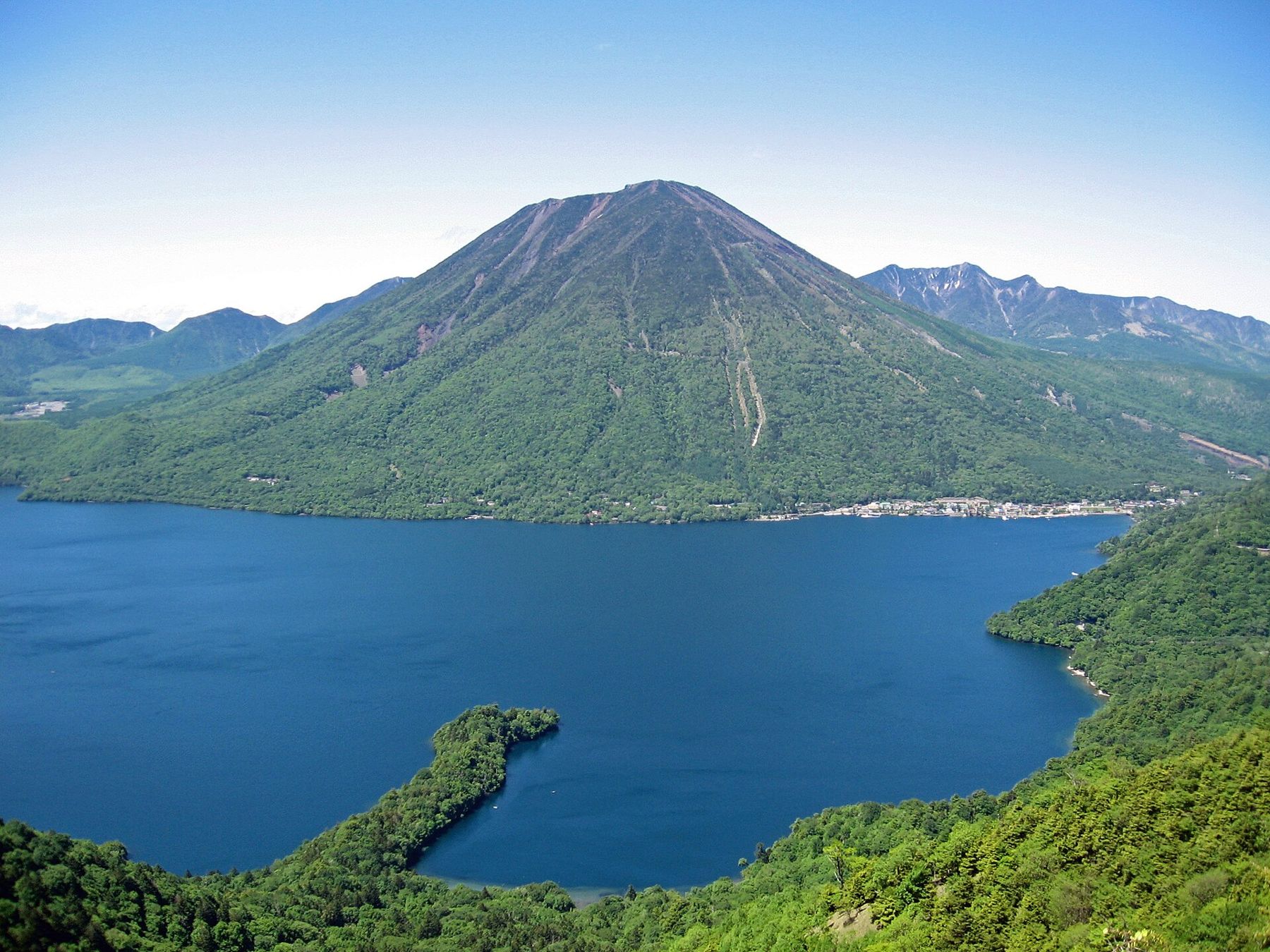
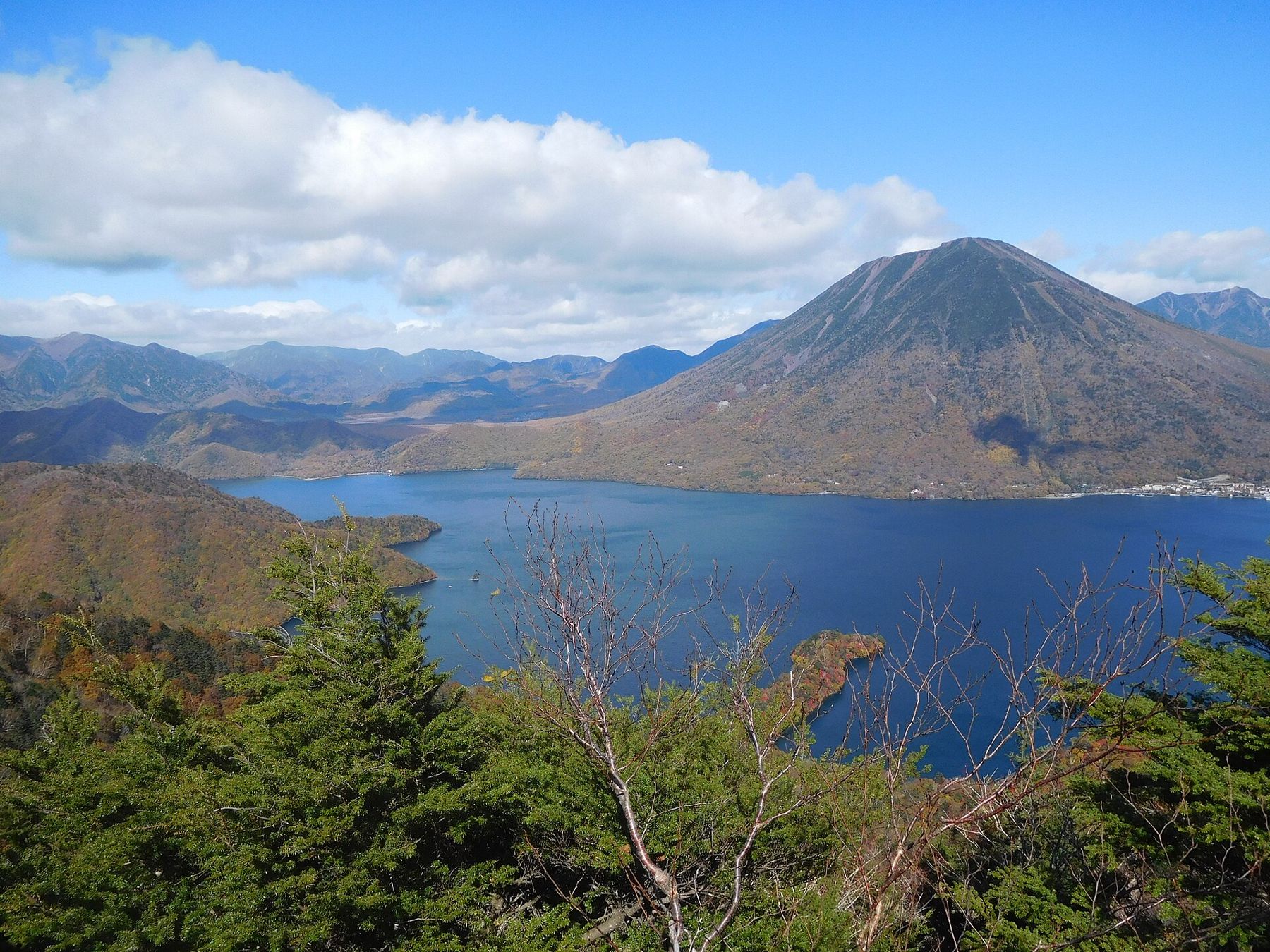
Most people see Nikko's shrines and go home. The ones who stay ride a bus up a road of tight hairpin bends and arrive in a different climate: a deep blue lake more than twelve hundred metres above the sea, a cone-shaped volcano standing over it, and air that is cool even in August. A century ago this was where foreign diplomats came to escape Tokyo's summer. It is still the best reason to spend a night in the Nikko area rather than rushing back.
The road with forty-eight bends
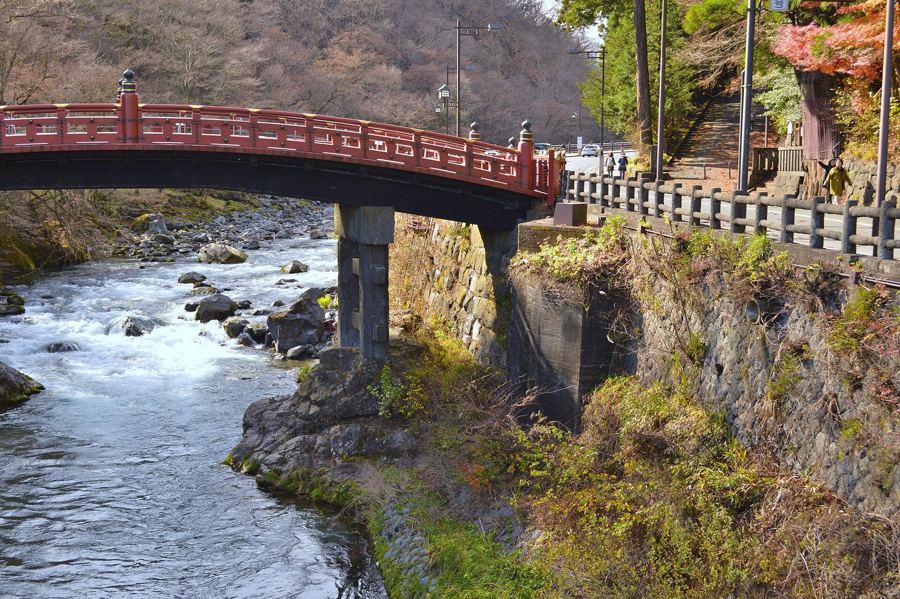
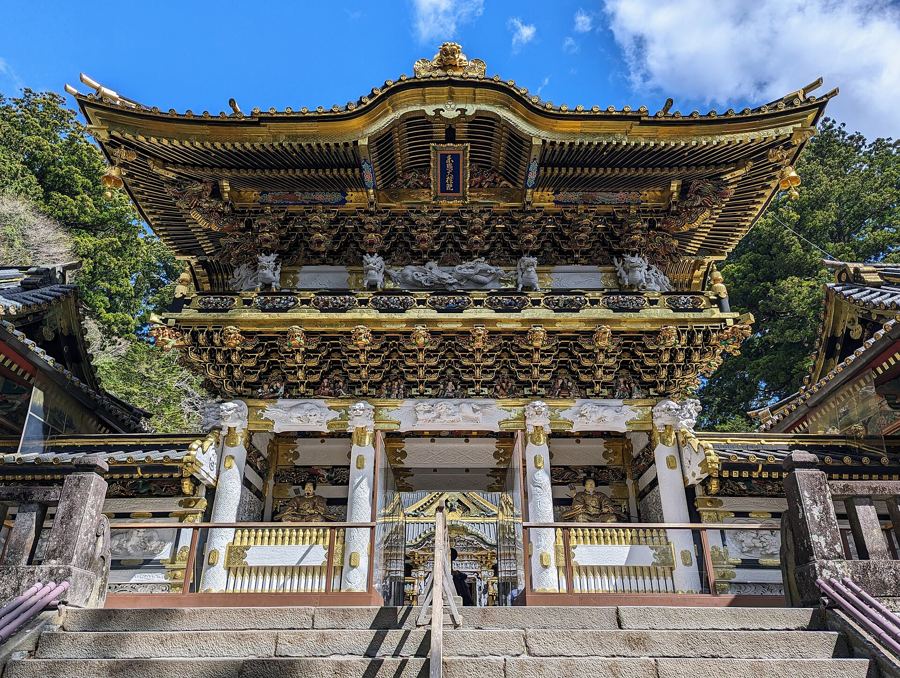
Take the Tobu line from Asakusa to Tobu-Nikko, about two hours on a limited express, or come via the JR line to Nikko station next door. If you are visiting the shrines too, see Nikko from the red bridge to the carved gate and do them on the first morning; buses for the lake leave from both stations and also stop near the shrine area.
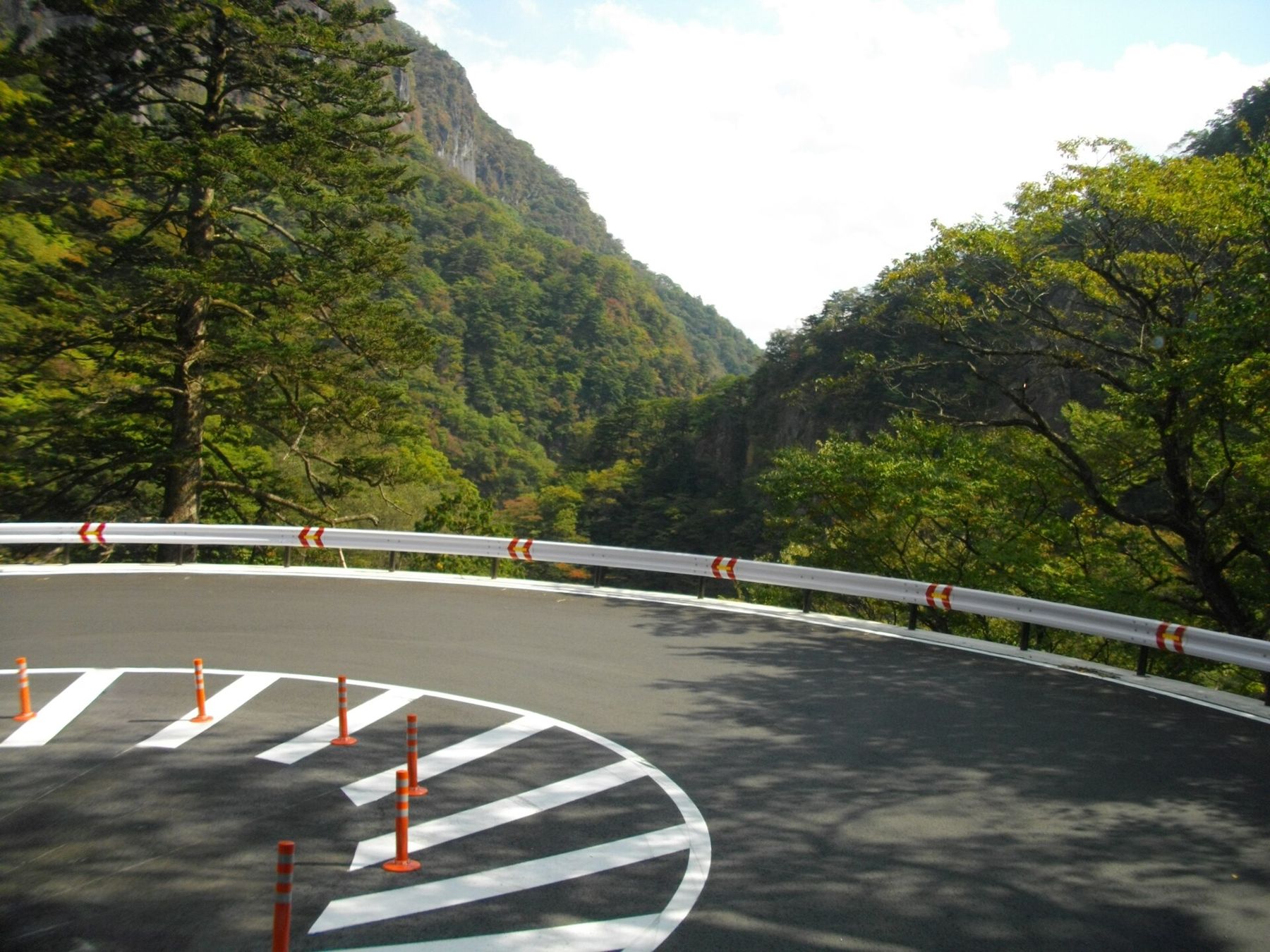
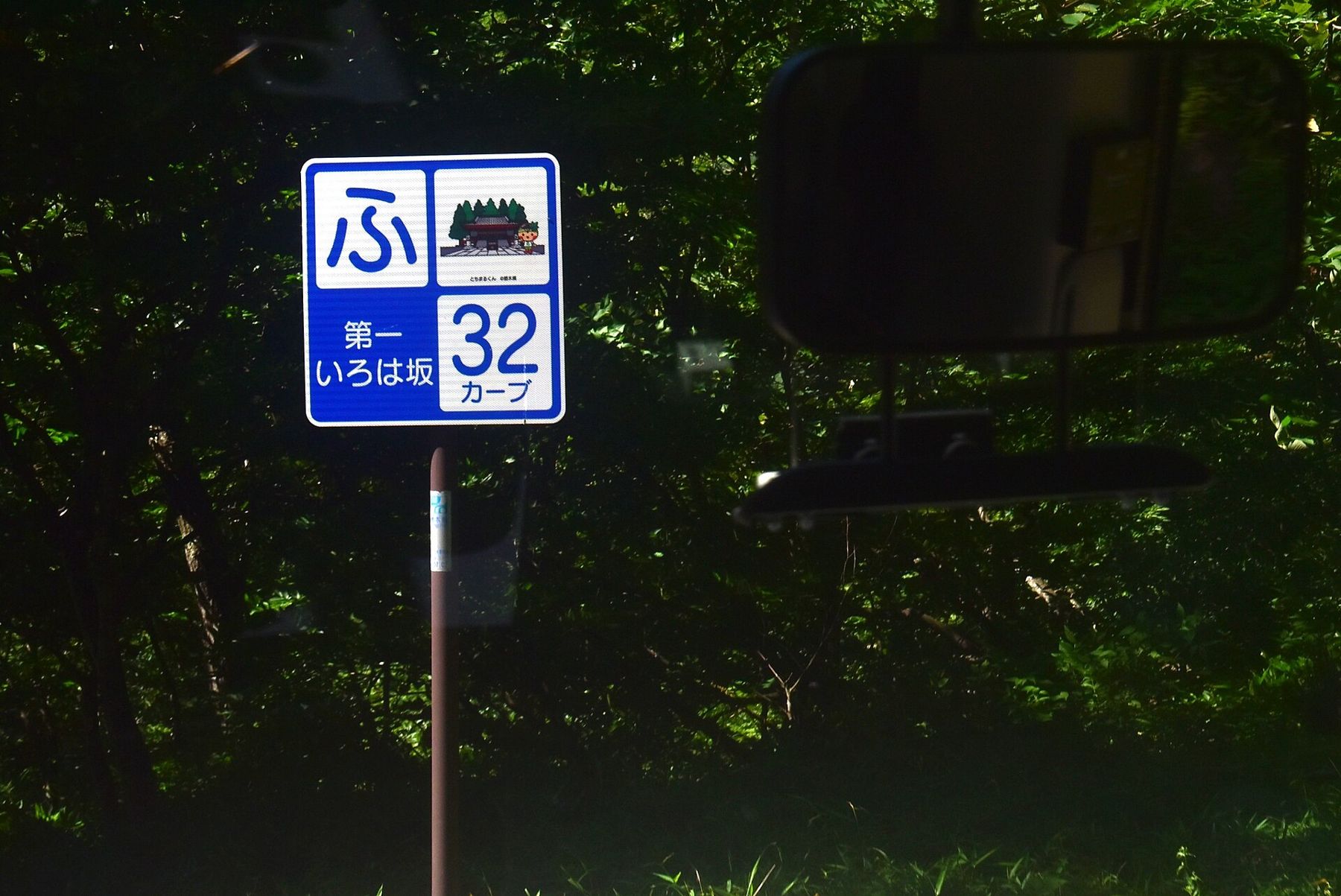
The ride up to Chuzenji Onsen, the small town on the lake's eastern shore, takes about 45 minutes in normal traffic. Much of it is on the Irohazaka, two separate one-way roads cut into the side of the valley, one for going up and one for coming down. Between them they have 48 hairpin bends, and each bend carries a sign with one of the syllables of the iroha, an old poem that uses every sound of the Japanese syllabary once. Sit on the left going up for the views back down the valley.
In peak autumn colour, usually the second half of October on this stretch, cars queue up these roads on weekends, and a 45-minute ride can take two or three hours. If you are coming then, travel on a weekday, or leave Nikko very early in the morning. The bus is still the better choice: it uses the same road, but you are not the one driving it.
Kegon Falls, from the top and the bottom
Get off at Chuzenji Onsen. Kegon Falls is a few minutes' walk away. This is where the lake drains: water pours out of Lake Chuzenji and drops around 97 metres in a single fall into a gorge of dark volcanic rock, with a row of smaller falls seeping out of the cliff on either side. It is counted among the three great waterfalls of Japan.
There is a free viewpoint near the top, but the view that matters is from below. A lift runs down through the rock to a platform near the base of the gorge, for a fee, and from there you see the full height of the fall with the spray drifting across. In winter the side falls freeze into columns of ice. After heavy rain the main fall turns brown and thunderous; in a dry spell it thins. Both are worth seeing.
The bus is still the better choice: it uses the same road, but you are not the one driving it.
Along the shore of Lake Chuzenji
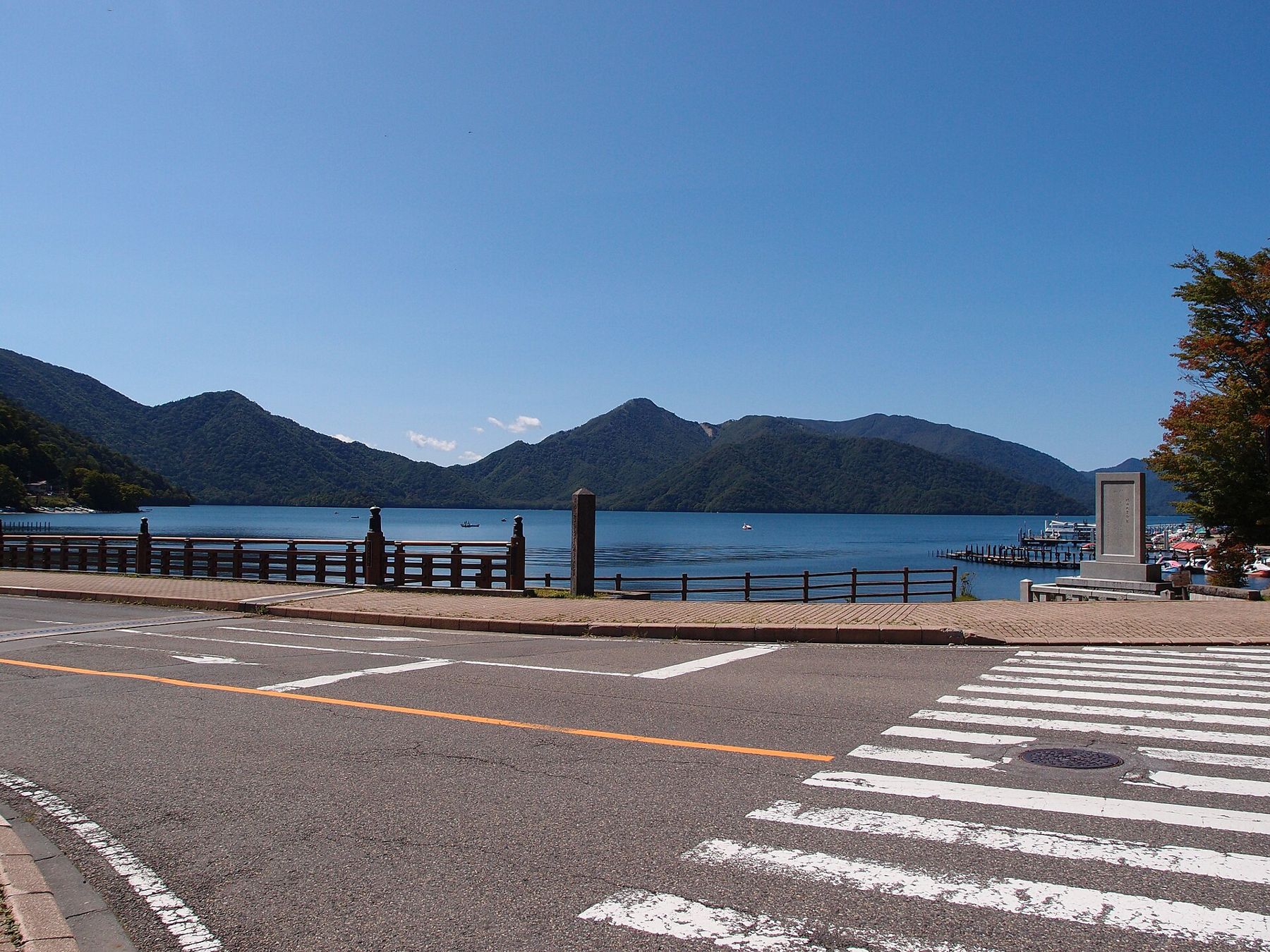
Lake Chuzenji was formed when lava from Mount Nantai, the volcano on its northern shore, blocked the valley. Nantai is sacred to Futarasan Shrine, and the shrine's middle sanctuary, Futarasan Shrine Chugushi, stands on the lakeshore a short walk west of the town; it is also the starting point for the climb to the summit in the summer season. Along the shore south of the town, Chuzenji Temple, part of Rinno-ji, houses a standing Kannon that tradition says was carved from a living tree.
The south-eastern shore has a quieter walk. In the late 19th and early 20th centuries, several foreign embassies built summer villas here, and two of them have been restored and opened to visitors: the Italian Embassy Villa Memorial Park and the British Embassy Villa Memorial Park. Both are simple wooden houses with deep verandas looking out over the water, and they explain better than any sign why people came here. They are usually closed in winter, so check before you go. A path along the shore links them with the town in about half an hour of easy walking.
Senjogahara: three hours on a boardwalk
The next morning, take the bus west from Chuzenji Onsen towards Yumoto Onsen and get off at Ryuzu Falls. Here the Yu River slides down a long rock chute and splits around a boulder, which some say gives the shape of a dragon's head, hence the name. From the top of the falls a trail runs up the river into Senjogahara.
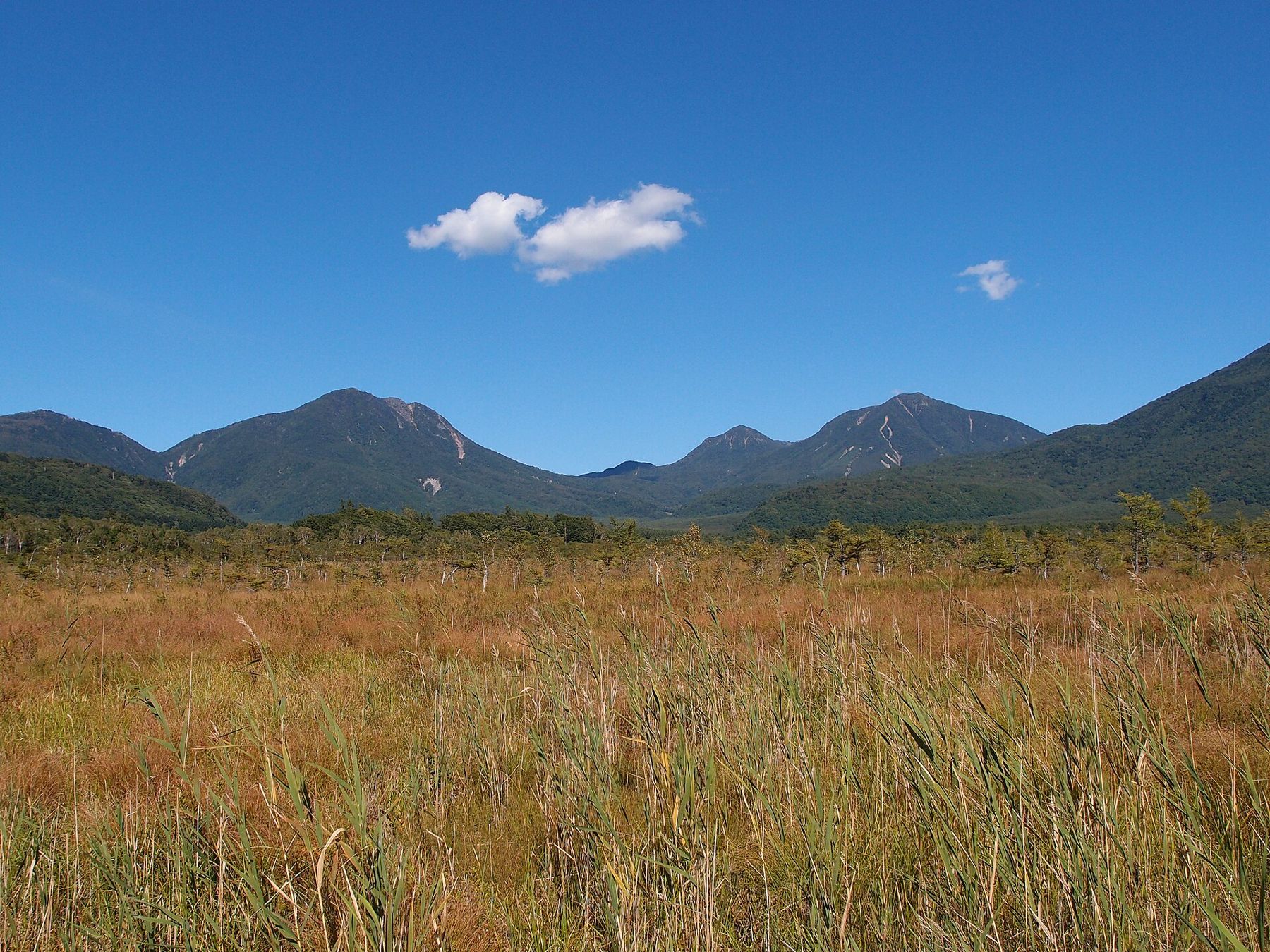
Senjogahara is a broad, high marsh and moor, ringed by mountains, that was a lake long ago and slowly filled in. Its name means "battlefield plain", after a legend of two mountain gods who fought here, one as a snake and one as a centipede. Wooden boardwalks keep you off the wet ground, and the walk is nearly flat. In summer the marsh is green with grasses and dotted with flowers; from late September it turns gold and rust, earlier than anywhere lower down.
The full walk from Ryuzu Falls to Yumoto Onsen, by way of Yudaki Falls at the far end, takes about three hours at an easy pace. If you want less, buses stop at Akanuma and at Sanbonmatsu on the road alongside the marsh, so you can join or leave it there. Bears live in this forest; many walkers carry a small bell, and the advice is to make some noise on the quieter stretches.
Yumoto Onsen at the end of the line
The road and the walk both end at Yumoto Onsen, a small hot-spring village at the edge of Lake Yunoko, a little higher still. You smell it before you see it: the springs here are sulphurous, and the water in many baths is cloudy white. There are springs bubbling up in a marsh on the edge of the village, a public foot bath, and a cluster of inns and day-use baths.
If you are new to onsen, the rules are simple. Wash and rinse thoroughly at the seated taps before getting in, keep your small towel out of the water, tie up long hair, and keep the noise down. Rules on tattoos vary from bath to bath, so check ahead. Sulphur water can tarnish silver jewellery, so take it off.
Dividing the high country over two days
The simplest version: Nikko's shrines on day one, the bus to Chuzenji in the early afternoon, Kegon Falls and the lakeshore before dark, a night by the lake. Day two: Ryuzu Falls, Senjogahara on foot, a bath at Yumoto Onsen, then the long bus ride back down to the stations and the train to Tokyo. Staying at Yumoto instead of Chuzenji works too; reverse the walk.
- Weather: it is often several degrees colder than Nikko town, and much colder than Tokyo. Bring a warm layer at any time of year.
- Buses: they get crowded in autumn, and the last ones down leave in the late afternoon. Know the return time.
- Winter: the lake area gets snow, and some sights and boats close for the season. Kegon Falls stays open, and the frozen side falls are a reason to come.
The calendar in plum, cherry, hydrangea, maple shows how the leaf season moves down the mountain from the marsh to the town. For moving a suitcase between Tokyo and two different nights, the ideas in first trains, last trains and the suitcase question help. And if you want another lake and volcano pairing nearer the capital, the Hakone loop makes a good contrast.