Which ticket for a day out
A pass can save money and time, or it can cost more than the fares it replaces. A few questions about your route settle which is which.
Japanese rail tickets look complicated from outside and are simple once you see the parts. A trip out of Tokyo is usually built from up to three pieces: the base fare for the distance, a separate ticket for a seat on a limited express if you take one, and local fares for buses, cable cars or boats at the other end. A pass bundles some of those pieces for one price. Whether it helps depends on which pieces your day actually uses.
This page gives no prices, because they change and because the honest answer is always "add it up". Check current fares and pass terms with the railway before you go.
The base fare and the seat ticket
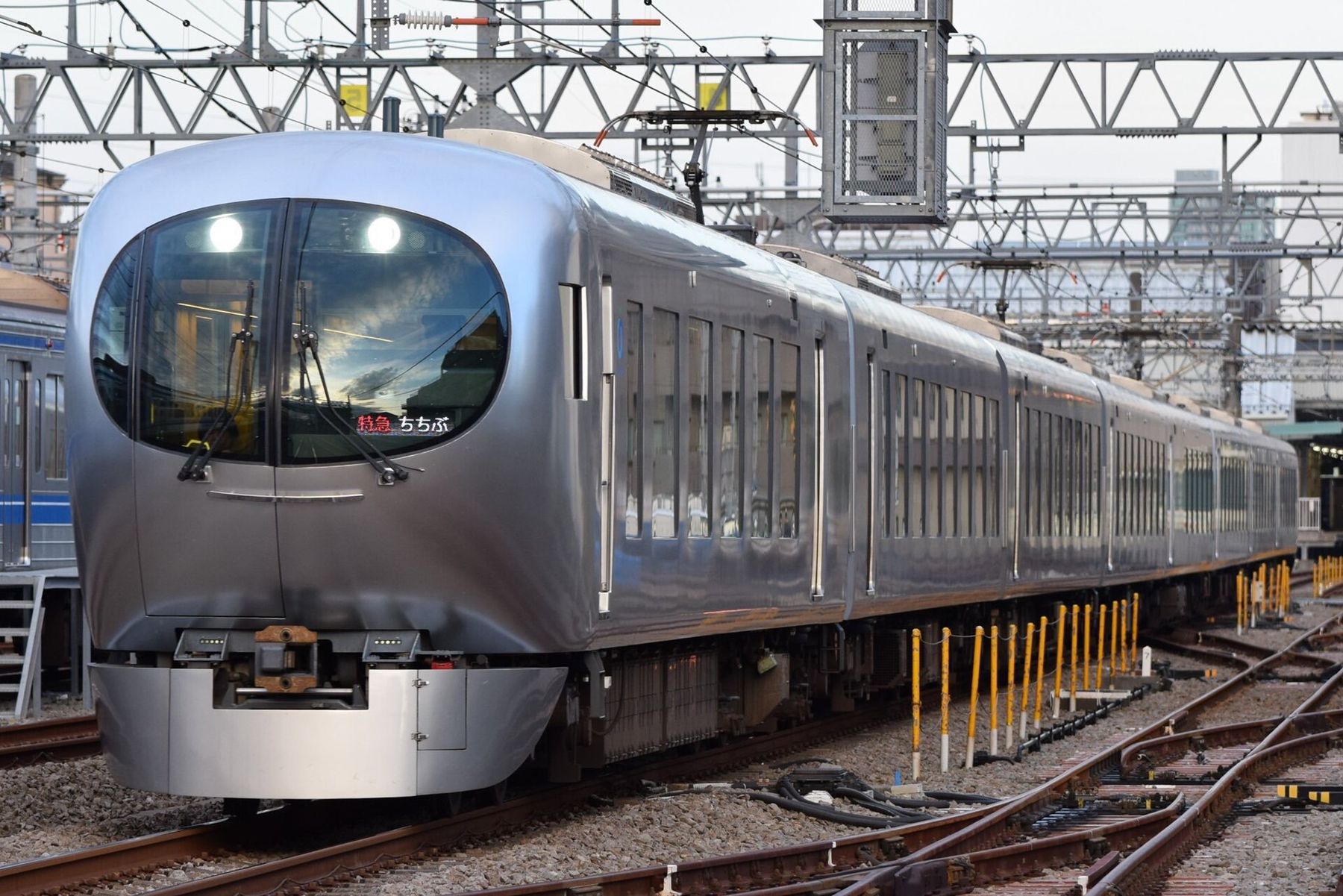
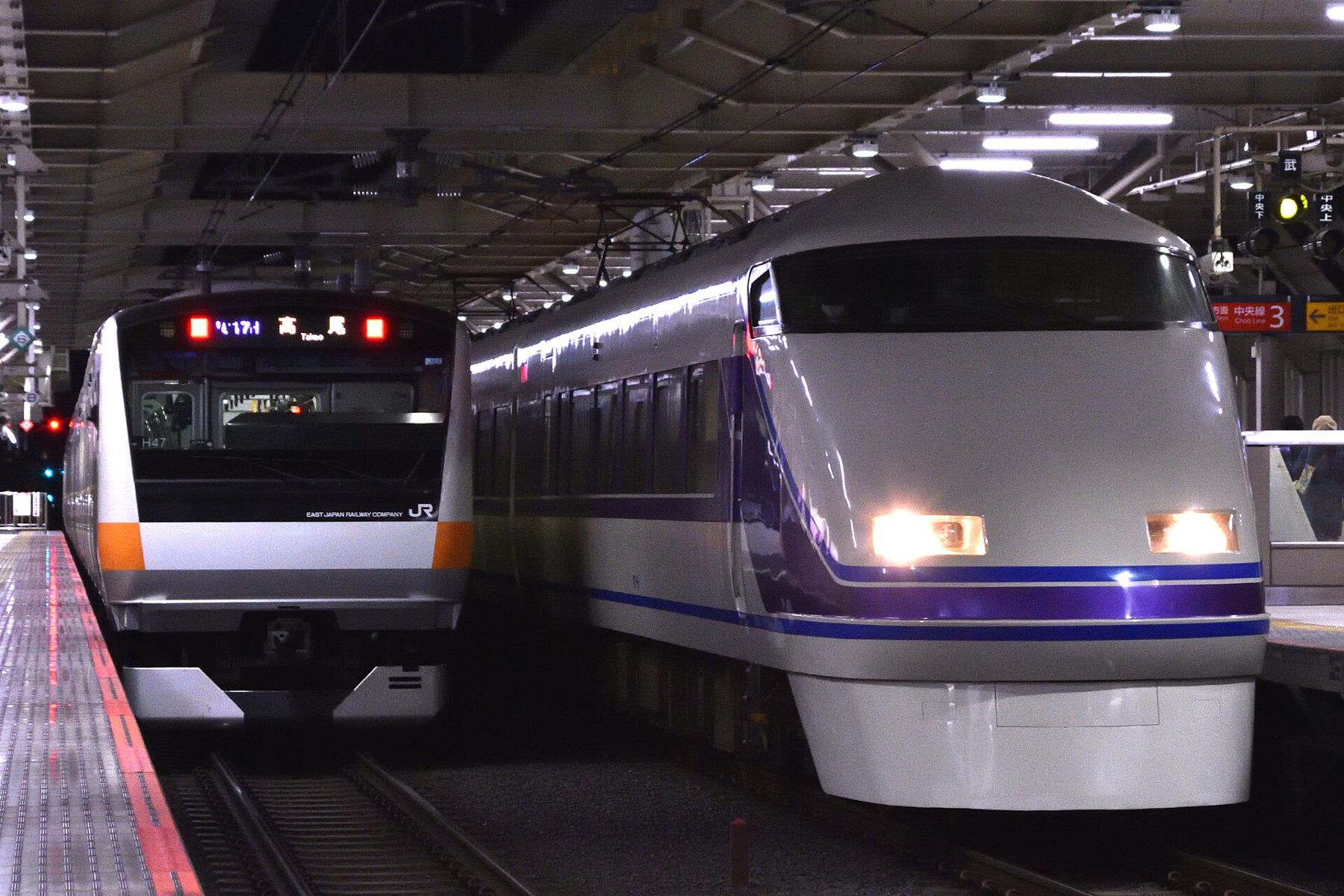
Every rail journey has a base fare, set by distance. On local, rapid and express trains that is all you pay, and you can sit anywhere there is a free seat. Limited express trains are different. The Odakyu Romancecar to Hakone, Tobu's limited expresses to Nikko and Kinugawa, the Seibu Laview to Chichibu and similar trains charge a limited express ticket on top of the base fare, and most of these trains are all reserved. The seat ticket buys you speed, comfort and a guaranteed seat; the base fare is what moves you.
That split matters for passes. Some area passes cover only the base fare, so you still buy the seat ticket separately. Others include a limited express ride or a discount on one. Read which kind you are holding.
What an IC card does, and where it stops
A rechargeable IC card, the tap-in, tap-out card used on almost every train and bus in the Tokyo area, covers base fares without you working out a single price. For a day out it is the default, and often the cheapest choice. A few things to know:
- It covers base fares, not seats. You still need a limited express ticket for a reserved seat, bought at a machine or window, or online, and kept with you on board.
- IC areas have edges. A card that works across Tokyo may not work at the far end of a rural line, on a mountain bus or on a cable car. In those places you pay in cash or with a paper ticket. Check before you set off, and carry some cash.
- Crossing between IC areas can fail at the gate. If a journey runs from one card area into another, the exit gate may not accept it, and you settle the fare at a staffed window.
- Keep a balance. Top up before you leave the city; small stations may have one machine, or none that accepts cards.
Regional passes from the private railways
Each private railway that runs from Tokyo towards a popular area sells its own round-trip pass for it. The pattern is similar across the network: the return fare from Tokyo to the area, plus unlimited rides on local trains, buses and sometimes boats or cable cars there, valid for one or more days. There are versions of this for Hakone, for Nikko, for Chichibu and Kawagoe, for Kamakura and Enoshima, for Mount Takao and others. JR also sells passes for foreign visitors that cover wider areas over several days.
The value depends on how much of the local transport you use. For a loop like the Hakone loop, with a railway, a cable car, a ropeway, a boat and a bus, the area pass usually covers almost everything and can work out well. For a day in Kamakura where you mostly walk, the plain fares may be lower. For Nikko, it depends on whether you go up to the lake by bus. Do the sum.
Five questions that settle it
- How many separate rides will you take at the far end? One or two: plain fares. Four or more, including lifts or boats: look closely at the pass.
- Does the pass include the limited express seat? If not, add that cost to the pass price before you compare.
- Is it one day or two? A two-day pass for a one-day trip rarely pays. A night away often tips the sum the other way.
- Where does it start? Some passes start from a set terminal, such as Shinjuku or Asakusa. If you join the line elsewhere, the saving may change.
- Is it for visitors only? Some passes need a foreign passport; others are for anyone. Read the conditions.
Seat tickets on busy days
Limited express seats sell out on spring and autumn weekends, during Golden Week at the turn of April and May, in mid-August and over the New Year. The return train is usually the one that fills first, because everyone wants the same late-afternoon train back. Buy both directions as early as the system allows, and if your plans may change, check the railway's rules on changing a reserved seat before you buy.
If the limited express is full, a local or rapid train on the same route covers the base fare and still gets you there, just more slowly and perhaps standing. That is a good fallback, and it is why a pass that covers only base fares is never a trap.
A few things that catch people out
- Highway buses are separate. A rail pass does not cover a highway bus, and vice versa. Some trips, such as the Fuji Five Lakes, are often easier by bus; see Lake Kawaguchi and the Fuji Five Lakes.
- Shinkansen are separate too. Bullet trains need their own base fare and express ticket unless a pass names them.
- Keep the ticket until the end. Paper passes and seat tickets are checked at the gate as you leave, and sometimes on board.
- Early starts are where seats are easy. The first limited expresses of the morning rarely fill; first trains, last trains and the suitcase question explains why it pays to be on one.
None of this needs to be worked out in advance for a simple trip. Tap your card, buy a seat if you want one, and enjoy the ride. The pass question only matters when the far end of the day involves a lot of moving around.