Plum, cherry, hydrangea, maple: the weeks that change a day out
The same trip can be quiet and green one month and packed the next. A calendar of flowers, leaves, weather and holidays helps you pick the weekend, or avoid it.
Around Tokyo, the seasons are not background. They decide which trip is worth taking, how crowded it will be and whether you will see the mountain you came for. Flowers and leaves move on a fairly regular schedule, a week or two earlier or later depending on the year, and the trains fill accordingly. What follows is a month-by-month guide to the trips on this site. Treat the timings as a rough guide and check the current year's forecasts, which are published for both cherry blossom and autumn leaves.
Winter: December to February
This is the clear season. Cold, dry air from the continent gives the sharpest views of the year, and Fuji is visible from many places on most mornings. It is the best time for any trip where the view is the point: Lake Kawaguchi and the Fuji Five Lakes, the summits of Takao and Tsukuba, the Hakone ropeway, or the far end of the Boso Peninsula.
From late January the southern tip of Boso, warmed by the sea, has rapeseed and other flowers in its fields. Plum blossom starts in February. In Odawara, the plum groves of Soga Bairin are a short ride from the castle, and in Mito, a longer trip north-east on the Joban line, Kairakuen is one of the most famous plum gardens in Japan, with thousands of trees. Plum is quieter than cherry, scented, and happy in the cold.
Higher up, winter means snow. Okunikko around Lake Chuzenji and Yumoto Onsen is cold and white, and some facilities close; Kegon Falls freezes at the edges. New Year's Day and the first days of January fill the big shrines with people making their first visit of the year, so avoid Kamakura's main shrine and Nikko then unless that is the point.
Spring: March to May
Cherry blossom usually reaches the Tokyo area in late March and lasts about a week at its best. It moves uphill and north from there: into April in Chichibu and at Kawaguchiko, where the trees around the Chureito Pagoda bloom with Fuji behind them, and later still at Nikko and higher. Every famous cherry spot is crowded at its peak, especially at weekends, so this is the season when an early start matters most.
From mid-April into May, Hitsujiyama Park in Chichibu is covered in shibazakura, moss phlox, a low creeping plant that flowers in carpets of pink, white and purple; see Chichibu's sea of moss phlox. There is a similar display near Lake Motosu at the foot of Fuji. Azaleas follow in May. Fresh green leaves in late April and May make it one of the best times for walking at Takao, Tsukuba and in the Nikko hills.
Golden Week, a run of public holidays from the end of April into the first days of May, is the busiest travel time of the spring. Trains, roads and sights are packed. If you can, take your day out the week before or after.
Rainy season: June to mid-July
The rainy season, tsuyu, usually settles over the Kanto region from early June to around the middle or end of July. It is not constant rain; many days are grey and close, with showers. It is also hydrangea season. Kamakura's temples are the classic place, Meigetsuin above all, which is so famous for its blue hydrangeas that it is often called the hydrangea temple, and Hase-dera's hillside path; both get long queues on weekends. The Hakone Tozan Railway is lined with them too, and the slow train through the flowers is a good wet-day trip.
Rain makes mountain trails slippery and hides views, so this is the season for temples, gardens and hot springs rather than summits.
Summer: late July to August
The heat and humidity in the lowlands are hard going, and haze usually hides Fuji. The answer is altitude: Lake Chuzenji, Senjogahara and Yumoto Onsen, the Fuji lakes and the higher parts of Hakone are several degrees cooler. The official climbing season on Fuji itself runs through the high summer, roughly July to early September. Mid-August brings Obon, a holiday week when many people travel to their family homes, and trains out of Tokyo are crowded at the start and end of it. Summer is also festival season, with fireworks over lakes and rivers on many weekends.
Typhoons: August to October
Typhoons reach the Tokyo area most often from late August through October. A strong one can stop trains, ropeways, ferries and buses for a day, and railways now often announce planned suspensions a day or so ahead. If one is forecast, move your trip. Coastal routes such as the Boso coast and the bay ferry, and lifts such as the Hakone ropeway, are the first to stop.
Autumn: late September to early December
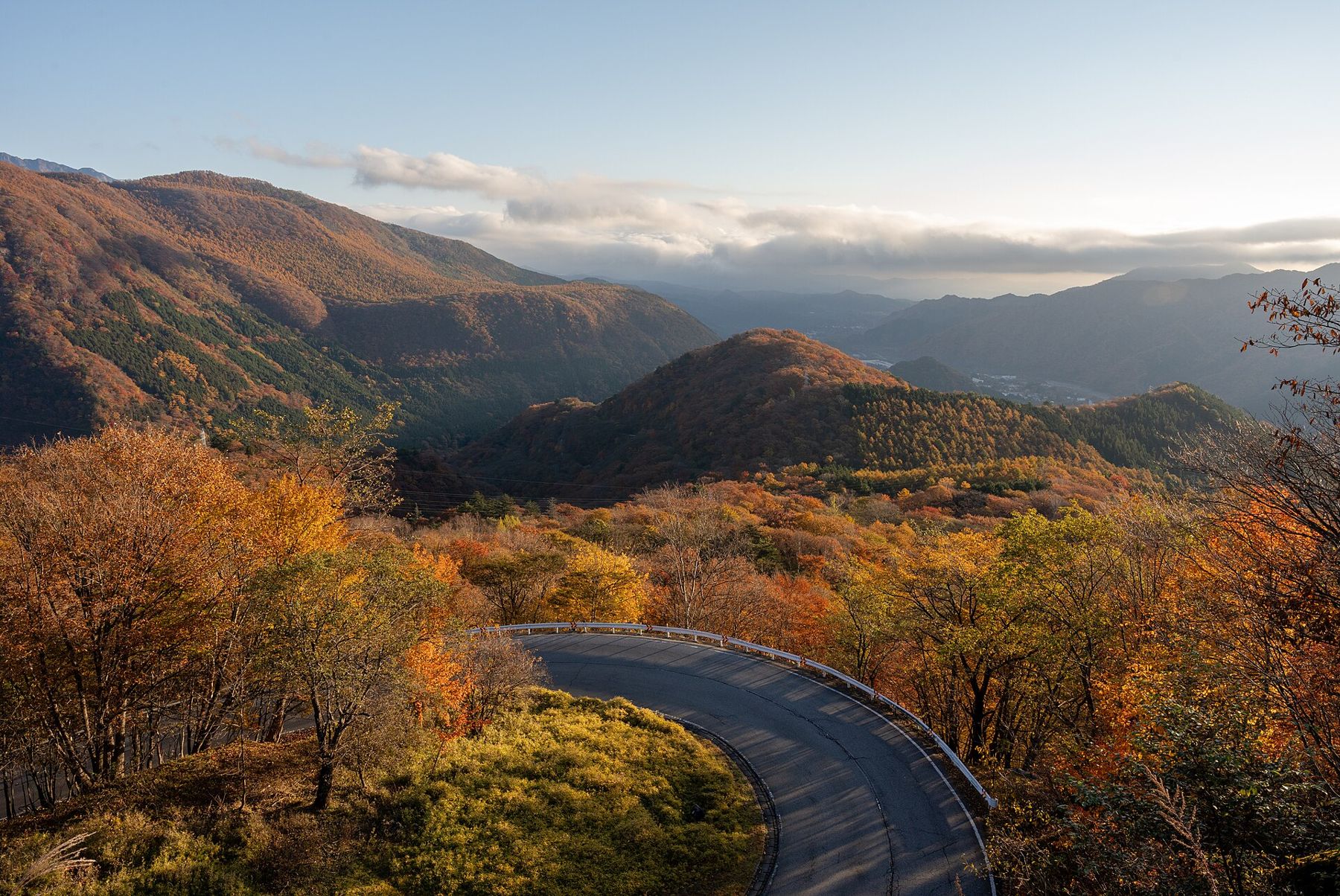
Autumn colour works its way down from the mountains. It starts at the highest places, the Senjogahara marsh and around Yumoto Onsen in late September and early October, reaches Lake Chuzenji and the Irohazaka road through October, and Nikko town around early November. Hakone, Mount Takao, Mount Tsukuba and Chichibu turn from around mid-November, and Kamakura and Kawagoe last, into early December. The Momiji Corridor at Lake Kawaguchi peaks in November.
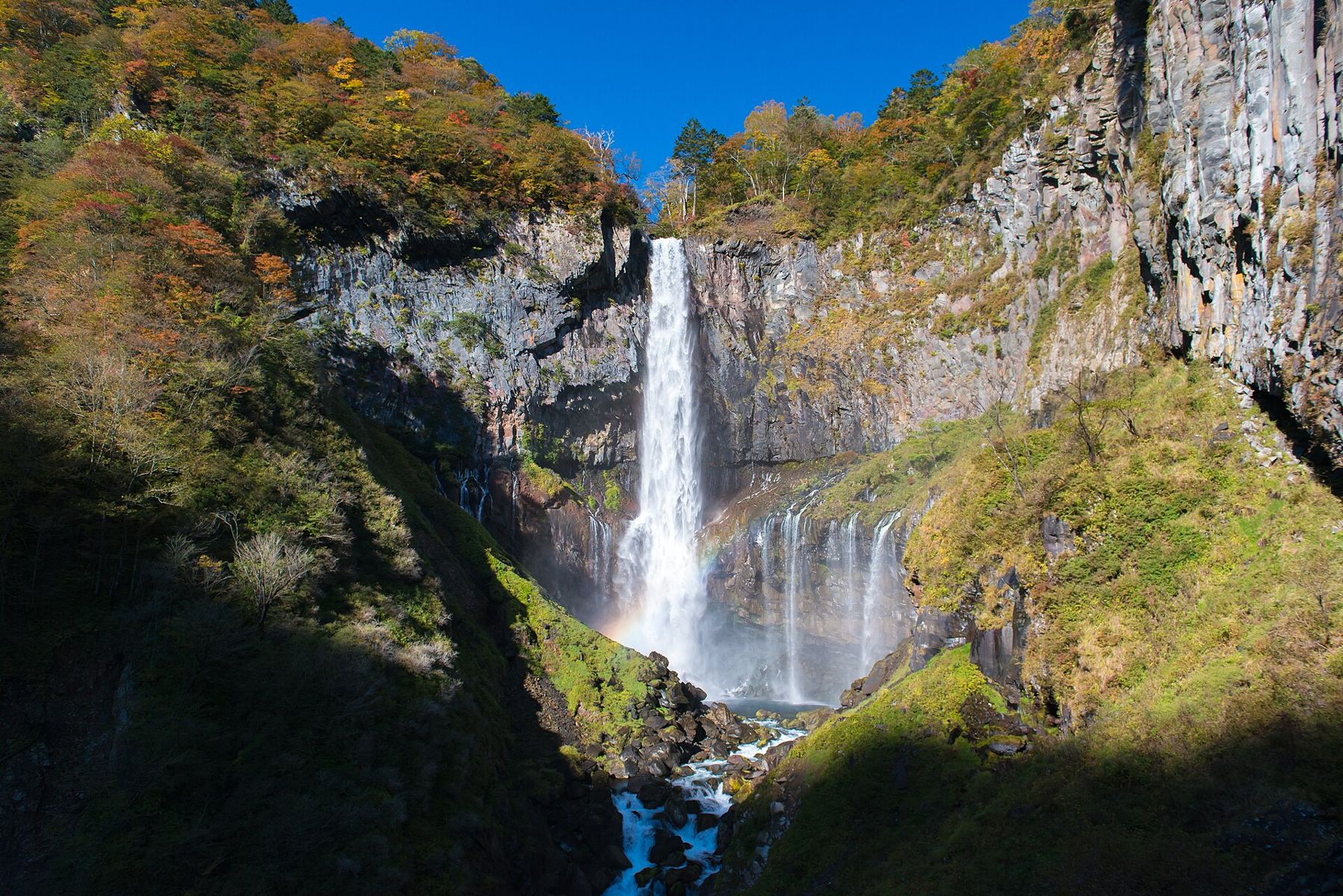
Peak weekends are crowded everywhere, and the Irohazaka road in particular can jam for hours. Weekdays are far better. Autumn is also usually dry and clear, and Fuji starts to show again from October onwards. For the month-by-month detail on Nikko's high country, see Lake Chuzenji and Kegon Falls.
Using the calendar
- Check this year's forecast. Blossom and leaf dates shift by a week or more.
- Prefer weekdays at peak times. The difference is not small.
- Book seats early for peak weekends. See which ticket for a day out.
- Swap trips with the weather. A grey June day suits a temple; a cold, clear January day suits a summit.