Old towns · Odawara
Odawara: a rebuilt castle keep and the plum groves below it
The white keep above Odawara station is concrete and dates from 1960. The moats, the hill and the Hojo story are much older, and in February the plum trees below steal the scene.
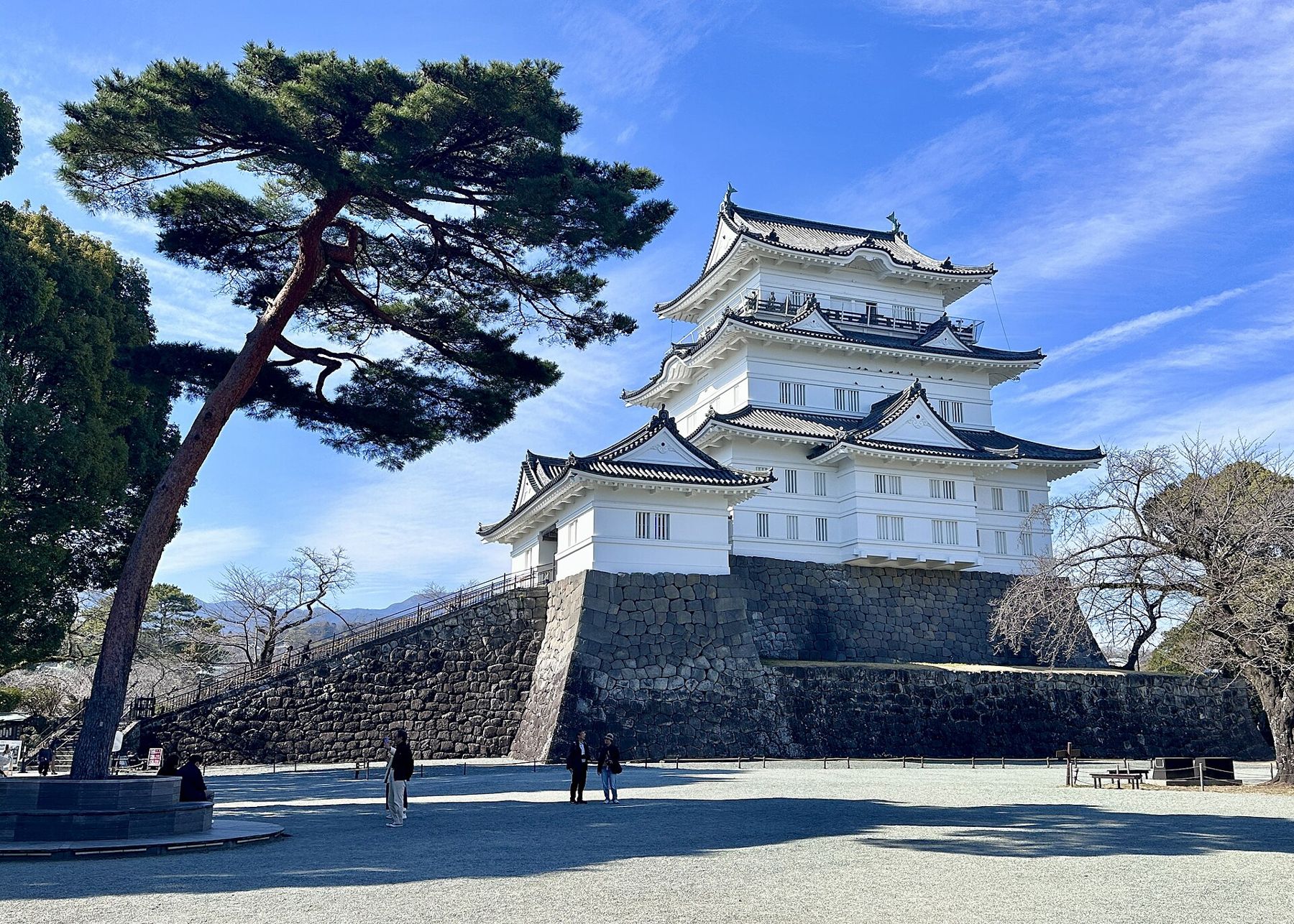
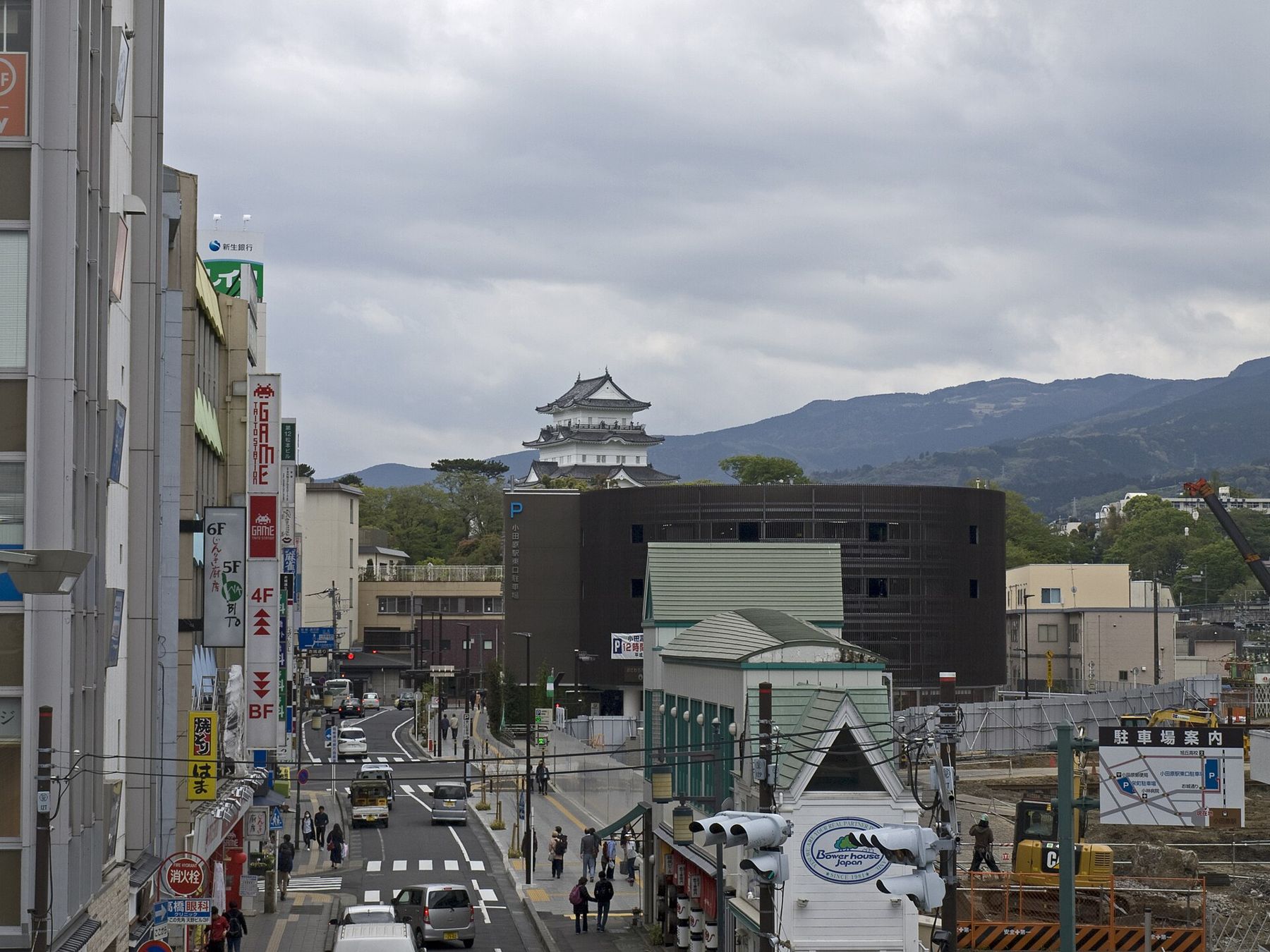
You see the keep before you leave the platform. From the east side of Odawara station it sits on its hill, white and grey, roof upon roof, exactly as a castle should look. It is worth knowing straight away what you are looking at, because it changes how you spend the morning.
What is old here, and what is new
The keep is a reconstruction. Odawara Castle was dismantled in the early Meiji period, in the 1870s, as the new government cleared away the castles of the old domains. The Great Kanto Earthquake of 1923 then brought down much of what stone wall remained. The keep you see was rebuilt in reinforced concrete in 1960, using old drawings and models as a guide to its outward shape. Inside it is a museum on several floors, with stairs, not timber halls.
What is original is the ground itself. The hill, the lines of the moats, the sweep of the inner enclosures and parts of the stone walls are where they were. The gates have been rebuilt one by one over the decades in traditional wooden construction: the Tokiwagi Gate in front of the keep, and the Akagane and Umadashi gates on the approach from the station side. Coming in through those gates, across the bridge over the inner moat, gives you the sequence the castle was designed around: turn, climb, turn again, always overlooked.
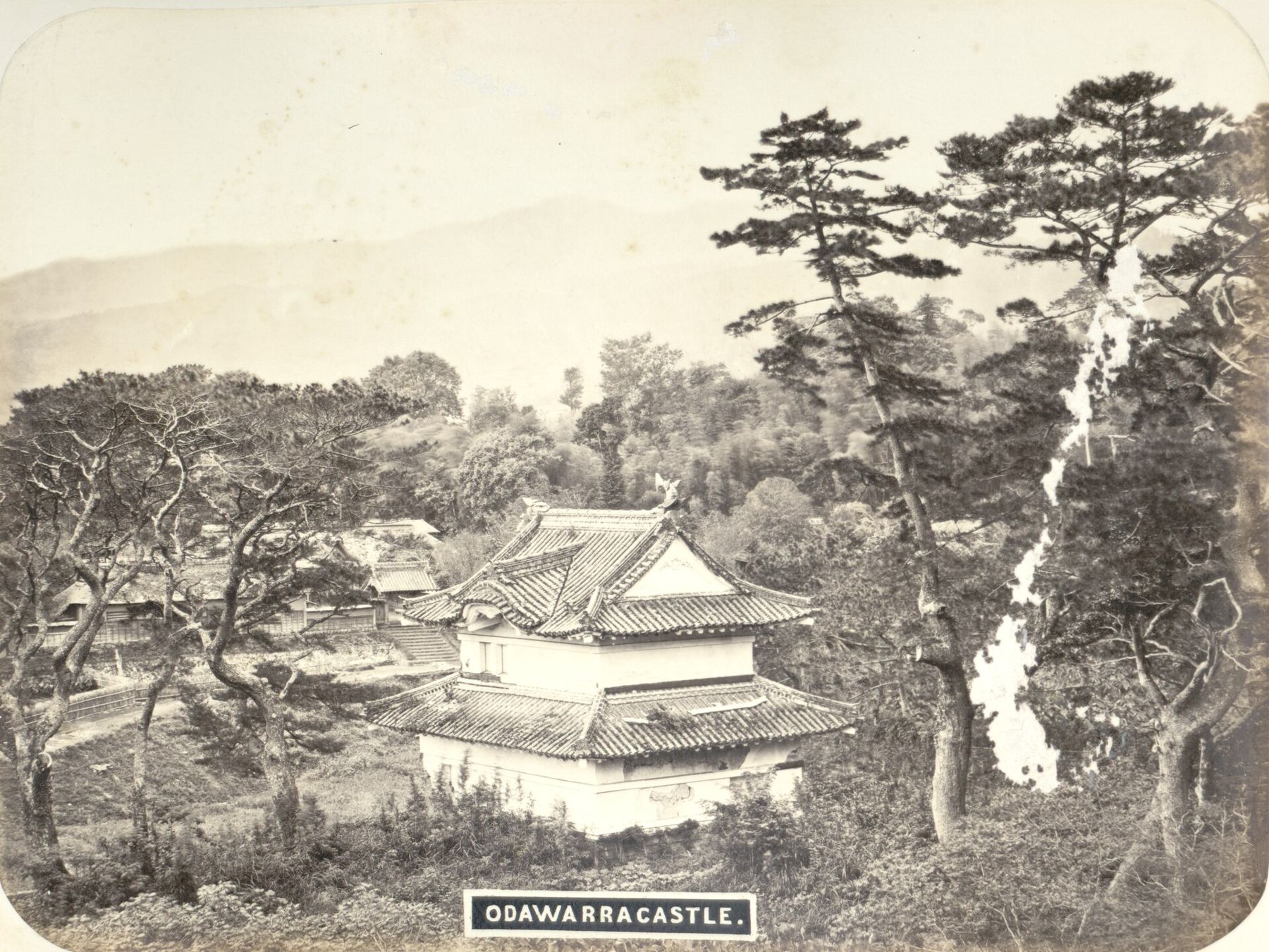
That old photograph shows one of the castle's turrets before demolition, standing among pines with the hills behind. It is the best way to picture what the site looked like as a working castle.
The Hojo and the siege of 1590
Odawara's great age came under the Hojo clan, sometimes called the Later Hojo to separate them from an earlier family of the same name. From the end of the 15th century, five generations ruled much of the Kanto region from this castle, and they enclosed the whole town inside a ring of earthworks several kilometres long. In 1590 Toyotomi Hideyoshi, on his way to unifying Japan, besieged Odawara with a huge army. To unsettle the defenders he built a castle of his own on a nearby hill, Ishigakiyama, and revealed it all at once so that it seemed to appear overnight. The Hojo surrendered after months of siege, and the Kanto passed to Tokugawa Ieyasu, who ruled it from Edo. In a sense, Tokyo's story as a capital begins with this surrender.
The site of that rival castle, Ishigakiyama Ichiyajo, is now a historic park in the hills west of town with stone walls and views back over Odawara. It is a hike or a taxi ride from the station, and a good add-on for anyone who likes sieges.
The keep, the bay and the park
Climb the keep for the view rather than the exhibits, though the exhibits on the Hojo and the castle's later lords are clear and well laid out. From the top floor, Sagami Bay spreads out to the south and on a clear day you can follow the coast towards the Miura Peninsula. The Hakone hills rise close to the west.
The castle park itself is free to walk. In late March and early April its cherry trees around the moats draw crowds; in June, irises and hydrangeas fill the old moat beds; in February the plum trees flower first of all.
Plum season at Soga Bairin
Plum blossom, ume, comes before the cherry, usually in February, and has a light, sweet scent the cherry lacks. Odawara's big plum groves are at Soga Bairin, a spread of orchards in the countryside east of the city, with tens of thousands of trees grown mainly for fruit. In flowering season a plum festival is held, the paths through the orchards are open to walk, and on clear days Fuji stands white above the blossom.
Soga Bairin is reached from Shimo-Soga station on the JR Gotemba line, one stop or a short ride from Kozu, itself a stop on the Tokaido line near Odawara. Allow a couple of hours to wander. The trees bloom over several weeks, early varieties first, so check reports for the best weekend. The calendar in the weeks that change a day out sets the plum season against the rest of the year.
Trains in, and the road on to Hakone
Odawara is well served. The Odakyu line from Shinjuku runs both ordinary trains and the Romancecar limited express, about 75 minutes. The JR Tokaido line from Tokyo station takes a bit longer, and the Tokaido Shinkansen covers the distance in around 35 minutes from Tokyo or Shinagawa if speed matters more than cost. Ideas on choosing between them are in which ticket for a day out.
Odawara is also where the hills begin. The Hakone Tozan line starts here and climbs to Hakone-Yumoto and beyond, so many visitors treat the castle as a morning stop on the way to the Hakone loop. That works well, as long as you set off for the hills by midday.
A slower kind of afternoon
If you are not going on to Hakone, walk the old Tokaido road through the town centre. Odawara was a post town on the highway between Edo and Kyoto, and a few old merchant buildings remain along the way. The city is known for kamaboko, steamed fish cake, made here for a very long time, and for pickled plums from those same orchards. The seafront is a short walk south of the castle, a stony beach where the wind comes straight off the bay. It is not a postcard beach, but it is a good place to sit before the train home.
Also on the the middle ring
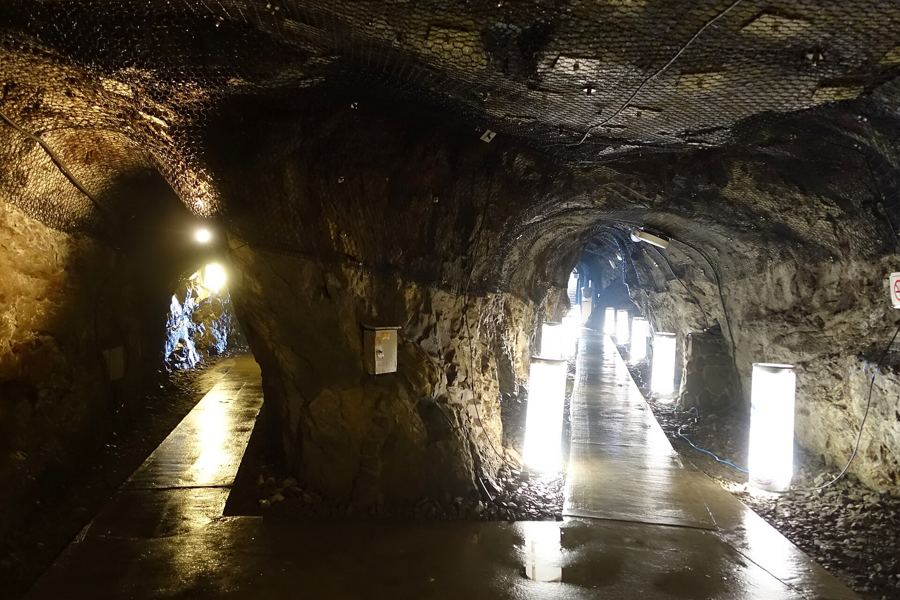
Enoshima island: caves, a lighthouse and the long bridge back
70 min · Shrines & temples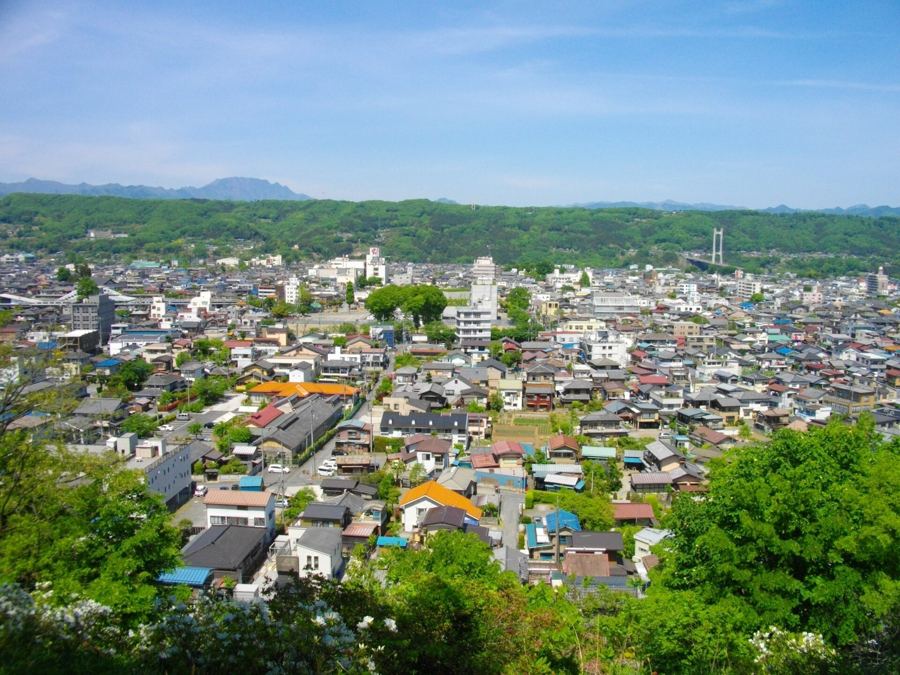
Chichibu: a valley town with a shrine and a sea of moss phlox
80 min · Old towns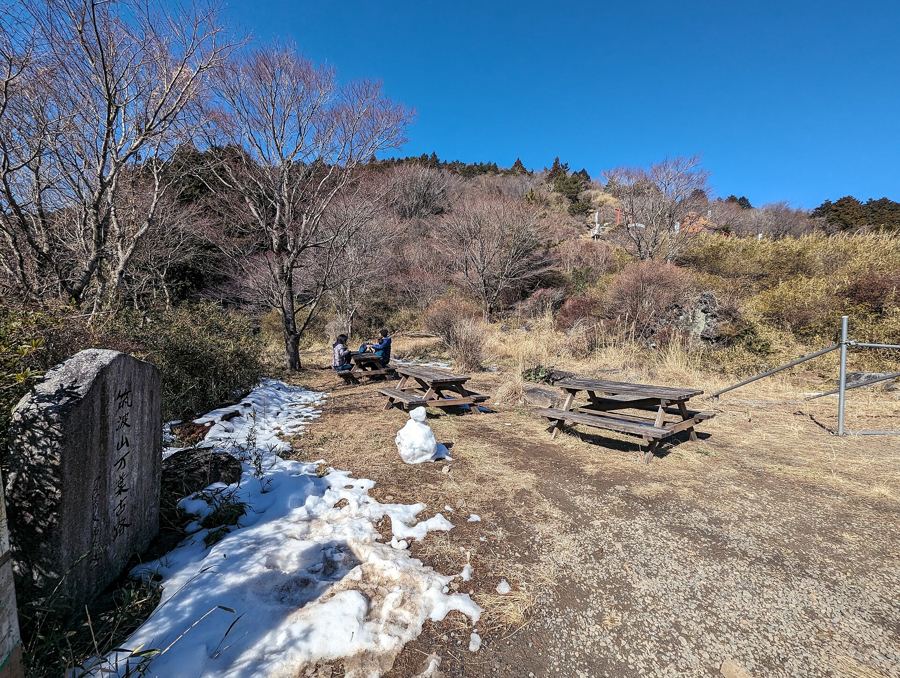
Mount Tsukuba's twin peaks by cable car, down on foot
80 min · Peaks within reach