Shrines & temples · Fujisawa
Enoshima island: caves, a lighthouse and the long bridge back
A small wooded island off the Shonan coast, tied to the shore by a long bridge. Climb over the top past three shrine halls, go down to the caves, and walk back as the sun sets.
This Enoshima is the small island off the coast of Fujisawa in Kanagawa Prefecture, about an hour south-west of Tokyo. It is about four kilometres around, steep on every side, and it is joined to the beach by a long road-and-foot bridge. The whole visit is a climb up and over, with a descent to sea caves on the far side, and then the same climb in reverse. Comfortable shoes matter more here than almost anywhere in this guide.
Three stations, one bridge
Three different railways serve the island, and their stations sit within ten minutes' walk of each other on the mainland side:
- Katase-Enoshima, at the end of the Odakyu Enoshima line from Shinjuku, about 70 minutes on the Romancecar limited express when it runs this way, longer on ordinary trains with a change at Fujisawa or Sagami-Ono.
- Enoshima, on the Enoden coastal line from Fujisawa or Kamakura.
- Shonan-Enoshima, at the end of the Shonan Monorail, which hangs below its rail and runs from Ofuna.
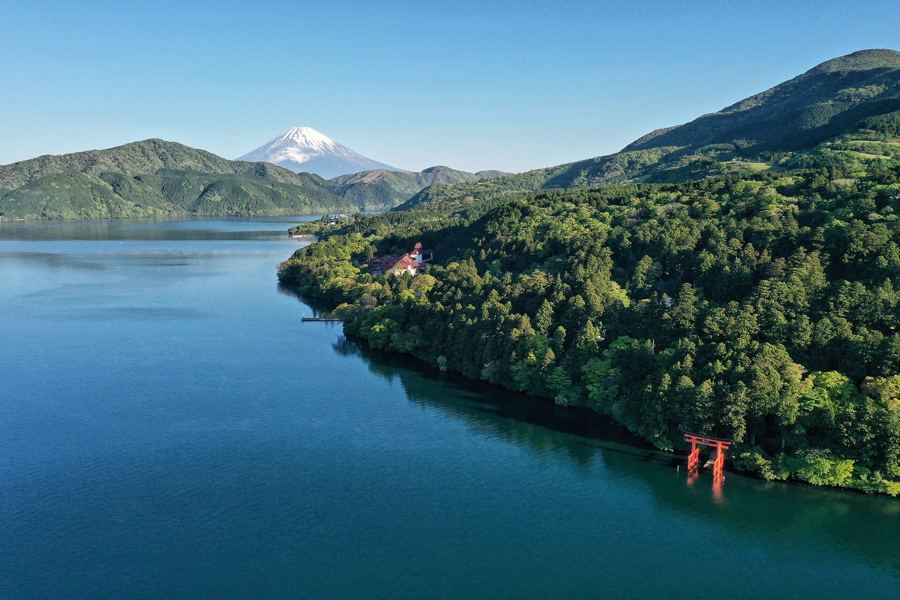
From all three you walk to Enoshima Benten Bridge, the long causeway across the shallows. It takes ten minutes or so to cross. Ahead, the island rises out of the water, and on a clear day the cone of Fuji appears to the right, above the hills. Comparing routes and passes is covered in which ticket for a day out.
Up the lane to Enoshima Shrine
At the island end of the bridge a bronze torii marks the start of the main lane, a steep and narrow street of food stalls and souvenir shops climbing to the shrine. It is lively and crowded, and the seafood smells good, especially grilled shellfish and the small whitebait called shirasu that Shonan is known for.
Enoshima Shrine is not one building but three halls spread across the island: the Hetsunomiya near the bottom, the Nakatsunomiya halfway up, and the Okutsunomiya on the far side. Each enshrines one of three sister goddesses of the sea. Over the centuries the island also became a centre for the worship of Benzaiten, a goddess of music, eloquence, wealth and water, and Enoshima is counted among the three great Benzaiten sites in Japan. Two statues of her are kept in an octagonal hall near the Hetsunomiya, one of them the famous Hadaka Benzaiten, shown playing a lute.
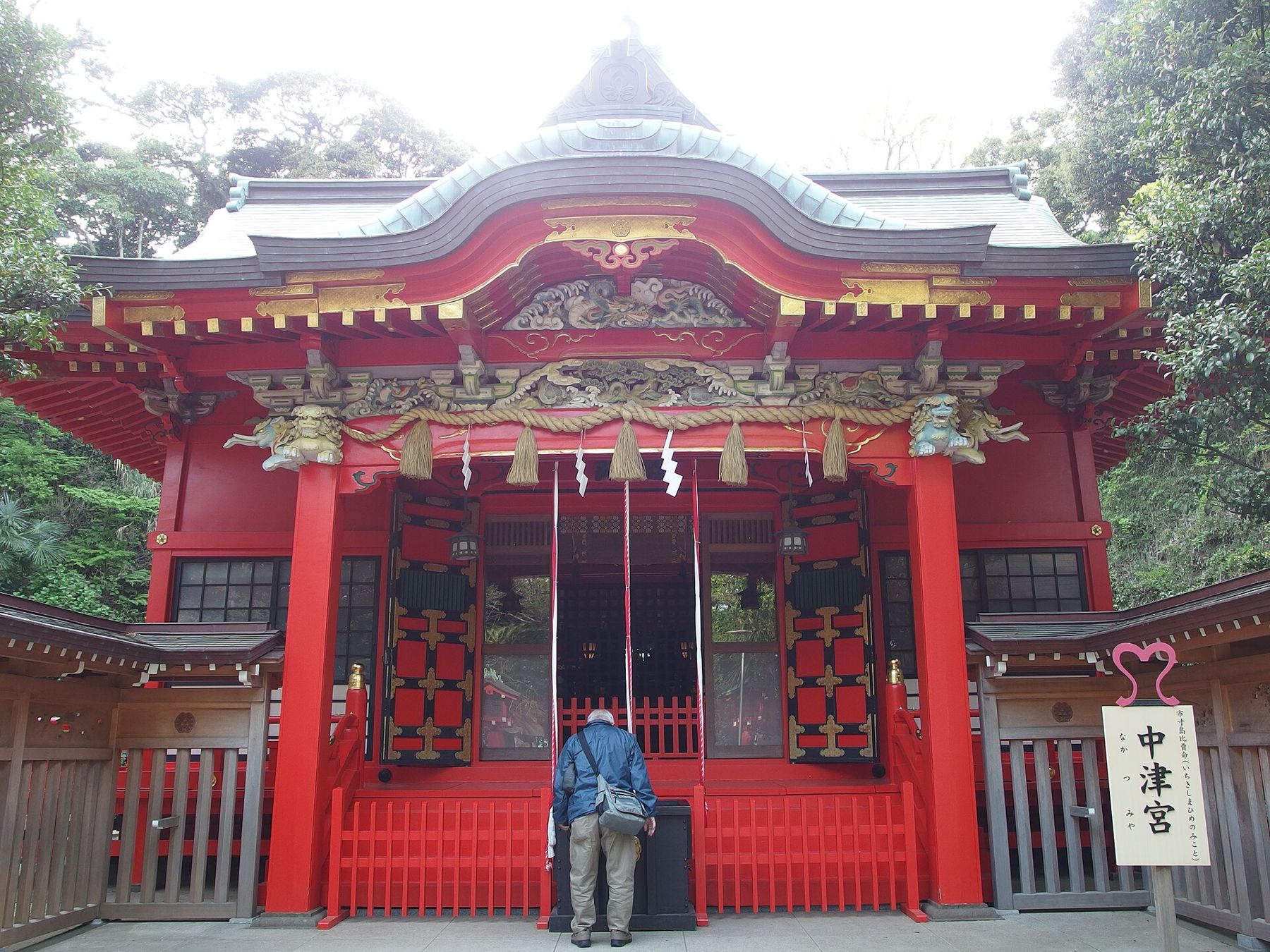
The steps are many. For a fee, outdoor escalators carry you up in stages, which helps on a hot day or with tired knees; walking is free and not difficult, just steady. Visit each hall with the usual courtesies: rinse hands at the basin, bow twice, clap twice, bow once.
The lighthouse and the garden at the top
Near the summit is the Samuel Cocking Garden, a botanical garden on the site of a 19th century greenhouse built by a British merchant. Inside stands the Enoshima Sea Candle, an observation lighthouse with a platform near the top. On a clear day you can see the whole curve of Sagami Bay, the Miura Peninsula, the Izu Peninsula and, to the west, Fuji. On a hazy summer day you see the sea and not much else, so judge the sky before you pay for the lift.
Past the summit the lane drops towards the Okutsunomiya. Nearby, a small terrace called Lovers' Hill has a bell that couples ring together and a fence covered in padlocks. It has the best view of the open sea on the island.
Down to the Iwaya caves
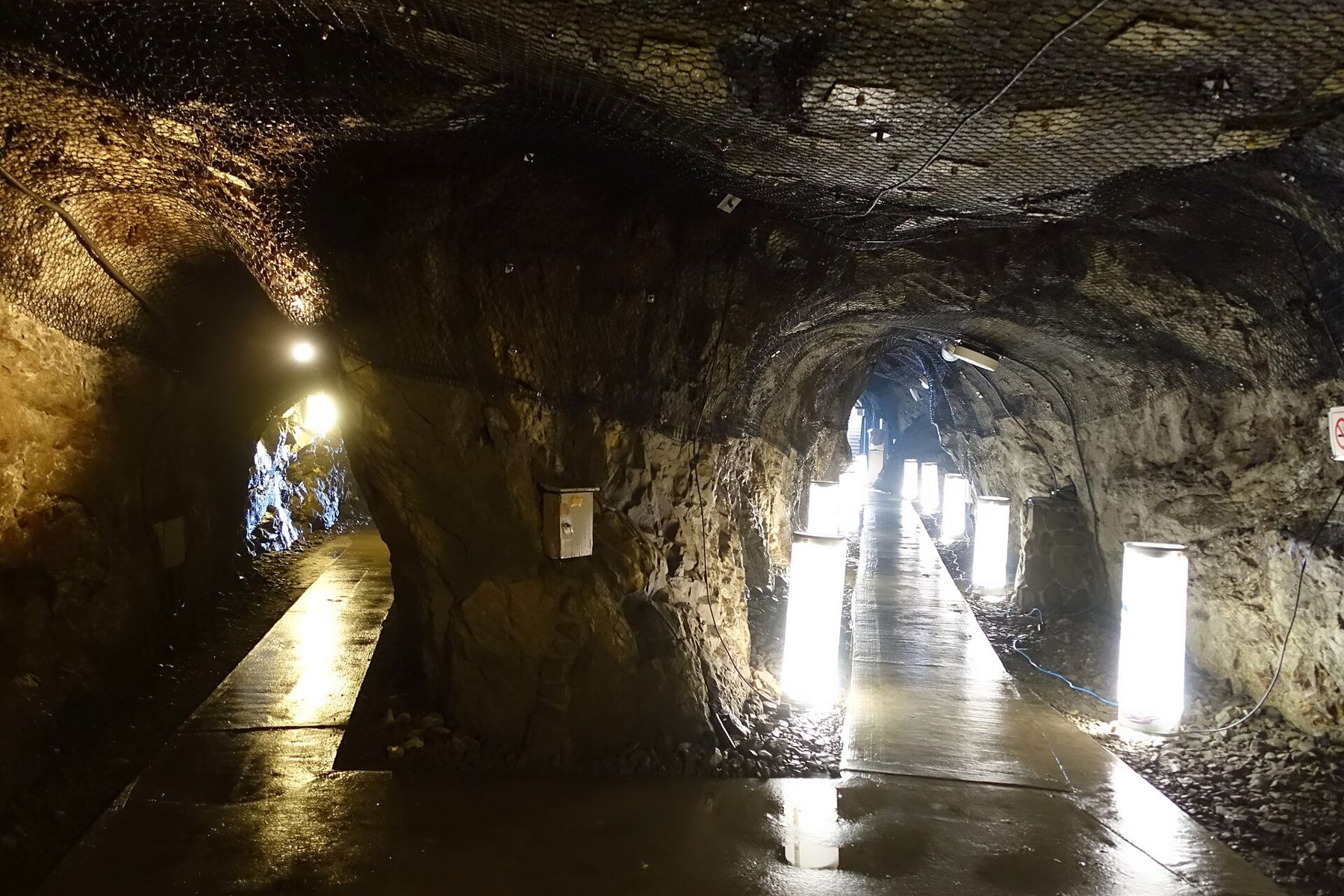
Steep stairs lead down the cliff to Chigogafuchi, a broad flat shelf of rock just above the waves, where people fish, picnic and watch the swell. A walkway runs from here along the cliff to the Iwaya caves, two sea caves worn into the rock.
The first cave runs back more than a hundred metres under the island, lined with old stone statues and carvings. The legend tells that the island's worship began here, and that famous monks once came to pray in the darkness. In the second, smaller cave, a dragon figure waits at the end of a low passage. You are often given a small candle to carry for part of the way, and the floor is damp.
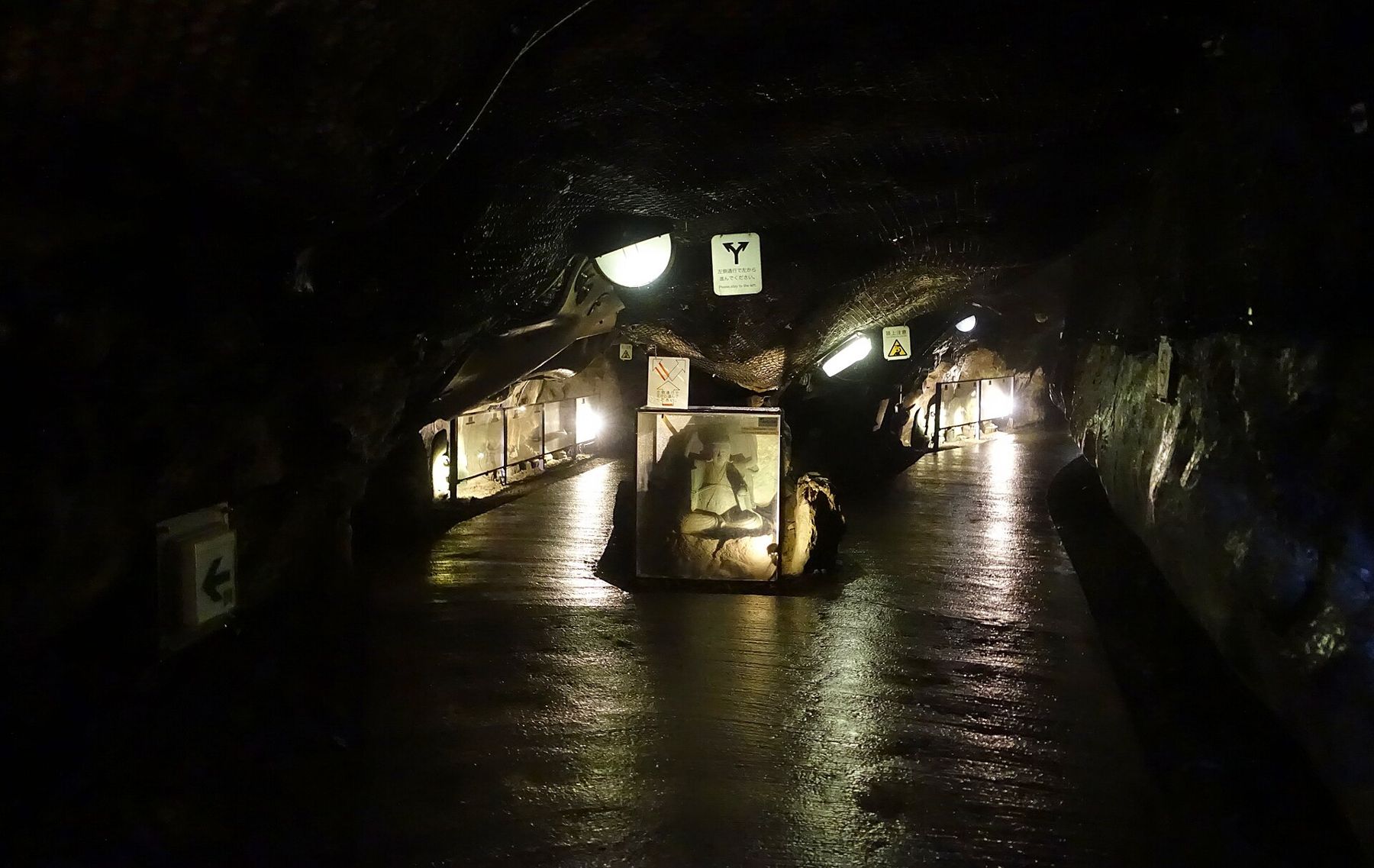
When the sea is rough or a typhoon is near, the caves and the rock shelf close. Check conditions on the day; there is no point making the long descent and finding the gate shut.
The climb back and the long bridge
The only way back from the caves is the way you came, up all those stairs and over the top. Allow time. If you want a gentler return, some days a small boat runs from the rock shelf back to the bridge, depending on the sea; do not count on it.
Time the walk back across the bridge for the end of the day. In late autumn and winter the sun sets behind the Izu hills to the west, and on the clearest evenings Fuji stands in silhouette against an orange sky. Crowds gather on the beach at Katase to watch it.
Fitting it into a longer day
Enoshima pairs easily with Kamakura: ride the Enoden between the two and do Kamakura in the morning, the island in the afternoon, and finish with the sunset. It is a long day on foot, so be honest about your legs. In summer, when the beaches of Shonan fill, aim for a weekday and set out early; on a winter weekday you may share the island with fishermen and cats.
Also on the the middle ring
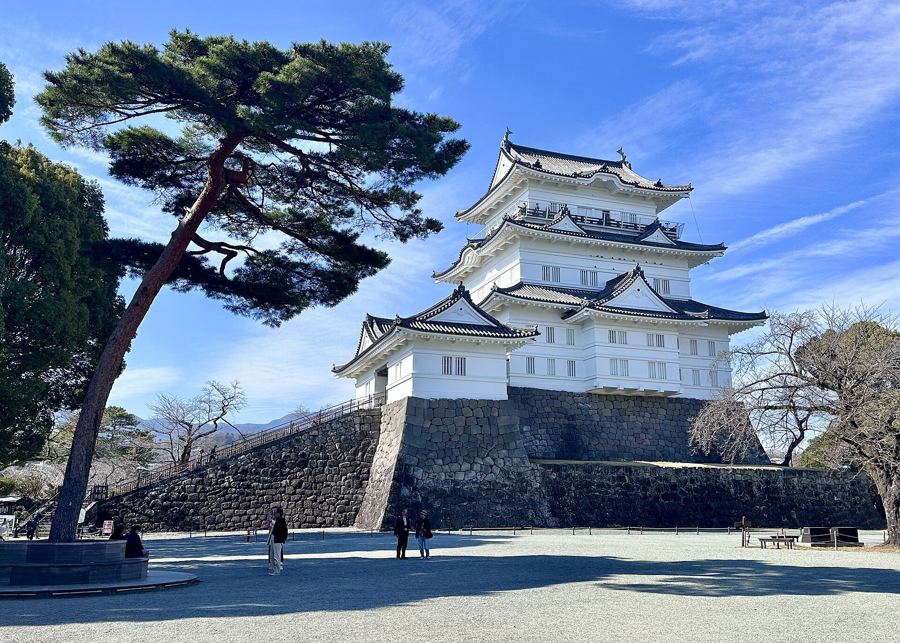
Odawara: a rebuilt castle keep and the plum groves below it
75 min · Old towns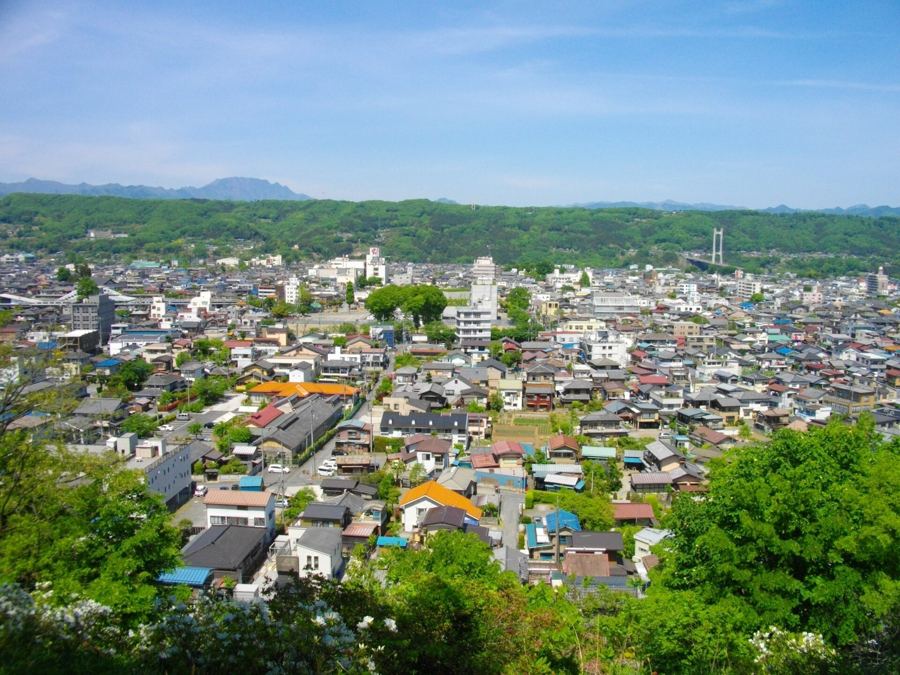
Chichibu: a valley town with a shrine and a sea of moss phlox
80 min · Old towns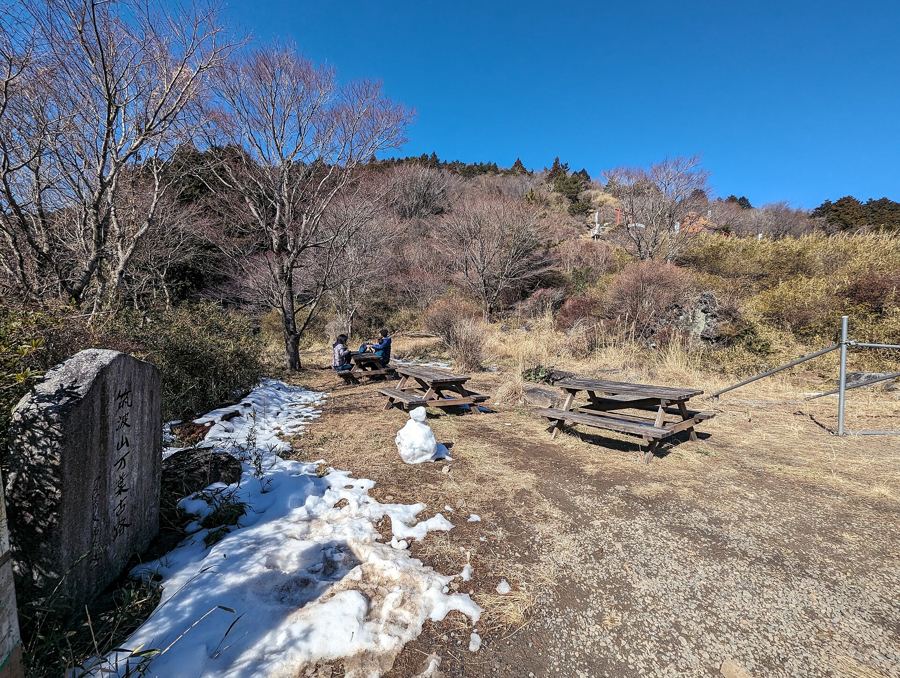
Mount Tsukuba's twin peaks by cable car, down on foot
80 min · Peaks within reach